アジア学院は多くの方からの寄付に支えられて11月10日より実施してきた「西日本研修」を終え、11月21日(土)に学生たちが無事に帰校しました。ご支援・ご寄付くださった皆さまに心より感謝申し上げます。
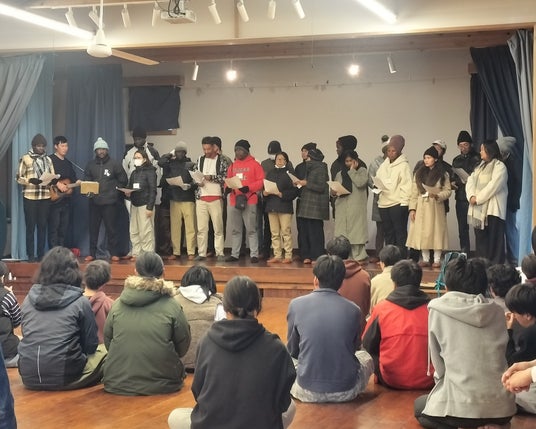
愛農学園農業高等学校での交流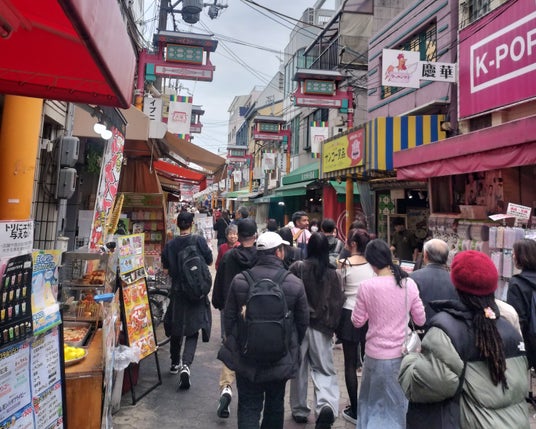
大阪でのフィールドスタディ
本リリースでは、研修を終えたご報告とあわせて、三重・大阪での学生たちの学びと、校長・荒川治のメッセージをお伝えします。
西日本研修、全日程を終えて
1974年に始まり毎年受け継がれてきたアジア学院西日本研修。今年度クラウドファンディングでのご支援に加え、寄付キャンペーンを通じて多くの方々から温かいご寄付をいただき、皆さまのお力添えのおかげで、11月10日から21日にかけて、静岡、三重、大阪、水俣、広島などを巡る全行程を実施することができました。学生たちは各地で多くの方々と出会い、学びを深めました。
三重・大阪での学生たちの学び
■ 三重県・愛農学園農業高等学校(11月12~13日)
11月12日、静岡を後にした一行は、三重県伊賀市の愛農学園農業高等学校を訪れました。同日の夜には、高校生たちと、社会における「3つのP」―権力(Power)、名声(Prestige)、財産(Property)―をテーマに座談会を行いました。この対話を通じて、高校生たちは、社会的に疎外された人々に仕えることや、当事者たちが社会に参加することが、アジア学院の学生たちのコミュニティにとってなぜ重要なのかを学んだようでした。アジア学院の学生たちは、愛農高校の生徒たちがどれほど深く考え、自分の意見を表現できるかに感銘を受けていました。
翌朝は、愛農高校で作られている保存料不使用のベーコンとソーセージをいただき、学生たちは安全な食の重要性と価値を改めて実感しました。朝礼では、自ら団体を立ち上げ、草の根の農家たちと農業を行っているネパールの学生、クリシュナがメッセージを通して、農業の価値を見出し続けるよう生徒たちを励ましました。歌、ゲーム、ソーラン節といった全校生徒との交流後には、グループに分かれて「日常生活の中で最も大切にしていること」をテーマにディスカッションを行い、実り豊かな時間を持ちました。
■ 大阪(11月13~14日)
その後は大阪へ移動し、大阪YMCAの皆様の歓待を受けた後、学生たちは14家族のもとに分かれてホームステイに向かいました。
翌11月14日は2つのグループに分かれ、大阪研修の目玉であるフィールドスタディを行いました。1つ目のグループは釜ヶ崎でホームレス問題と社会的セーフティネットの重要性について学びました。もう1つのグループは生野区を訪れ、日韓関係の歴史と、なぜ差別が根強く残るのかについて学びました。振り返りでは、多くの学生が「サーバントリーダーシップ(人に仕えるリーダーシップ)」、「まず耳を傾けることの大切さ」、そして「人間の尊厳」について学びを深めることができたと話しました。
釜ヶ崎を訪れたミャンマーの学生、シーラーはこう話しました。
「日本に来る前は、日本は発展していて教育水準の高い国なので、ホームレスの人はいないと思っていました。しかし今、弱い立場にある人々や支援を必要としている人々がいる、日本の別の側面を目にしています。悲しく感じる一方で、人々がお互いに助け合う姿を見て、温かさと安堵感も覚えました。また、ほんの少しの支えが、生活に苦しむ人々に希望を与え、その人々が生き続ける理由やきっかけになりうるということも学びました。」
アジア学院校長・荒川治のメッセージ
西日本研修旅行は1974年に始まり、震災やコロナ禍による中断を除き、毎年受け継がれてきました。学生にとっても私たち職員にとっても、自らの生き方を問い直す、かけがえのない機会です。
私自身も2001年から数年間参加し、自らのいのちを懸けて生きてこられた方々との「魂の出会い」を重ねました。広島の被爆者、水俣病の患者とその支援者、貧困や差別の中で生きる人々、有機農家の方々。皆様は痛みを抱えながらも心を開き、「本当の意味で生きるとは何か」を教えてくださいました。その教えは今も私たちの歩む道を照らしています。この旅は、日本の歴史や戦争・環境破壊の悲劇を見つめ直し、真に豊かに生きるとは何かを考える機会でもあります。
この旅を今日まで続けてこられたのは、ひとえに、これまで支えてくださった方々のおかげです。そのおかげで学生たちが多くの人々と出会い、いのちの尊厳を学び、これからの生き方を見つめ直す機会そのものを与えられています。
託された思いを大切に、これからも学生たちと共に「共に生きる」ことの意味を問い続けてまいりま
す。
Asian Rural Institute’s “Western Japan Study Tour,” Realized After Reaching Our Crowdfunding Goal: All Itineraries Completed, Participants Return to Campus on November 21. Participants’ Learning in Mie and Osaka and a Message from Director Osamu Arakawa
The Asian Rural Institute (ARI; Nasushiobara City, Tochigi Prefecture) has concluded its Western Japan Study Tour, which began on November 10 thanks to the success of our crowdfunding campaign and the generous donations of many supporters. The participants returned safely to campus on Saturday, November 21. We extend our heartfelt gratitude to everyone who supported and donated to this journey. In this release, we report on the completion of the study tour and share the participants’ learning in Mie and Osaka, along with a message from Principal Osamu Arakawa.
Completing the Western Japan Study Tour
The Western Japan Study Tour began in 1974 and has been carried on every year since. This year, in addition to the support received through crowdfunding, we were warmly supported by donations from many people through our donation campaign. Thanks to your help, we were able to carry out the entire itinerary from November 10 to 21, visiting Shizuoka, Mie, Osaka, Minamata, Hiroshima, and other places. At each stop, the participants met many people and deepened their learning.
Participants’ Learning in Mie and Osaka
■ Aino Gakuen Agricultural High School, Mie Prefecture (November 12-13)
On November 12, the group left Shizuoka and visited Aino Gakuen Agricultural High School in Iga City, Mie Prefecture. That evening, they held a discussion with the high school students on the theme of the “Three Ps” in society: Power, Prestige, and Property. Through this dialogue, the high school students seemed to come to understand why serving socially marginalized people, and enabling those directly affected to take part in society, is so important to the ARI community of participants. The ARI participants, in turn, were impressed by how deeply the Aino students think and how well they express their own opinions.
The next morning, the participants enjoyed bacon and sausages made at Aino without preservatives, and were reminded of the importance and value of safe food. At the morning gathering, Krishna, a participant from Nepal who founded his own organization and farms together with grassroots farmers, encouraged the students through his message to keep finding value in agriculture. After time spent with the entire student body, including songs, games, and Soran-bushi, they split into groups for a discussion on the theme “What matters most to you in daily life,” and shared a fruitful time together.
■ Osaka (November 13-14)
The group then traveled to Osaka, where, after a warm welcome from the Osaka YMCA, the participants split up and went to stay with 14 host families.
On November 14, they divided into two groups for the highlight of the Osaka program: field study. One group went to Kamagasaki to learn about homelessness and the importance of social safety nets. The other visited Ikuno Ward to learn about the history of Japan-Korea relations and why discrimination persists. In the reflection session, many participants said they had gained a deeper understanding of servant leadership (leading by serving others), the importance of listening first, and human dignity.
She Rah, a participant from Myanmar who visited Kamagasaki, shared:
“Before coming to Japan, I thought there were no homeless people here, because Japan is a developed country with a high level of education. But now I am seeing another side of Japan, where there are vulnerable people who need support. I felt sad, but I also felt warmth and relief when I saw people helping one another. I also learned that even a little support can give hope to people who are struggling, and can become a reason for them to keep living.”
A Message from Director Osamu Arakawa
The Western Japan Study Tour began in 1974 and has been carried on every year, except for interruptions caused by earthquakes and the COVID-19 pandemic. For both our participants and our staff, it is an irreplaceable opportunity to re-examine how we live.
I myself took part for several years starting in 2001, and experienced many “encounters of souls” with people who have lived with their lives at stake: atomic bomb survivors in Hiroshima, Minamata disease patients and their supporters, people living amid poverty and discrimination, and organic farmers. Though carrying their own pain, they opened their hearts and taught us what it truly means to live. Their teachings continue to light our path today. This journey is also an opportunity to look again at the tragedies of Japan’s history, war, and environmental destruction, and to reflect on what it means to live a truly rich life.
That we have been able to continue this journey to this day is entirely thanks to those who have supported us. Because of them, our participants are given the very opportunity to meet many people, learn the dignity of life, and reexamine how they will live from now on.
Cherishing the hopes entrusted to us, we will continue to ask, together with our participants, what it means to “live together.”
企業プレスリリース詳細へ
PR TIMESトップへ
関連記事